Mastering Twitch streaming: An Comprehensive Manual to Recording and Storing Streams
The platform Twitch has become a dominant force for gamers and streamers alike, allowing them to connect with viewers around the world through real-time broadcasts and engaging content. However, the fast-paced nature of live broadcasting often means that important moments can be lost if not adequately recorded and archived. Whether you're a casual streamer looking to capture some highlights or a professional content creator aiming to build a library of your work, knowing how to efficiently record, save, and archive your Twitch streams is crucial for keeping and expansion.
In this article, we will discuss the best methods to capture Twitch content across different platforms and devices. From recording top-notch streams on your Mac or Windows PC to saving clips and VODs automatically, we will cover everything you need to know about capturing streams and storing. You'll learn about the significance of sound and visual quality, options for storage, and the resources available to ensure your hard work doesn’t go unnoticed. By perfecting StreamRecorder streaming tool , you can enhance your content offerings, connect with your audience more effectively, and secure your reputation as a streamer.
Capturing Twitch Streams on Twitch
To effectively capture Twitch streams, the first step is selecting the appropriate tool for your requirements. There are multiple options available, including dedicated software that run on PC or Mac, as well as browser-based solutions for quick access. Ensure that the software you choose supports high-quality video capture, allowing you to preserve sound and video quality during recording. Look for options like customizable resolution and bitrate settings to make sure your captures are optimized for your use or for sharing with your audience later.
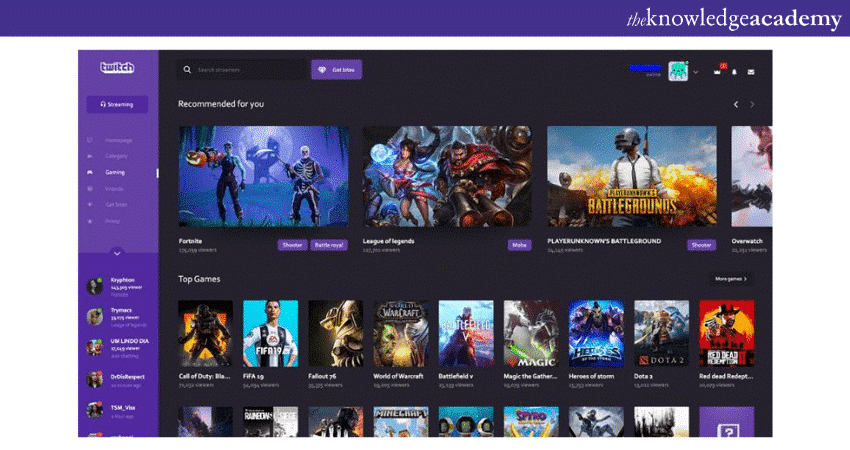
When recording, it's essential to set up your recording environment correctly. Ensure your system meets the necessary specifications for the capture software you select, and consider components like your audio input and webcam if you wish to include them in the broadcast. Pay close attention to recording both the game action and any extra sound from the broadcast. Having a strong internet connection is also crucial, as broadcasting and capturing simultaneously can sometimes demand substantial internet speed.
Lastly, familiarize yourself with the built-in features Twitch.tv provides for streamers. Use the tools provided by Twitch software tools to assist in keeping your recordings organized. This could involve setting up proper content management strategies for your recorded content, making it more convenient to archive Twitch.tv highlights later. By learning these skills, you can efficiently capture Twitch.tv content, ensuring that your streams are captured and ready for future use.
Preserving and Getting VODs
As for saving your Twitch streams, downloading VODs is a necessary step. Twitch permits streamers to save their broadcasts as VODs, which can be accessed by viewers after the live stream has concluded. To download your VODs, simply navigate to the Creator Dashboard, click on the Content tab, and then tap Video Producer. Here , you can see all your past broadcasts. Select the VOD you want to download and click on the options menu to start the downloading. This way, you can keep your content safe and accessible for future use.
For users looking for automatic downloading options, there are third-party tools that can assist simplify this process. Tools like Twitch Leecher or 4K Video Downloader enable you to get your VODs quickly and swiftly. These applications support multiple resolutions and can even download complete playlists, which are content creators who want to save a copy of their full channel. Be sure to explore these options to find a tool that best fits your needs.
It’s essential to pay attention to space and organization once you have your VODs downloaded. Consider developing a structured approach to categorize your videos, such as by date, game played, or content type. Using appropriate formats and resolutions will guarantee you preserve high audio and video quality for upcoming viewing. Remember to keep legal considerations in mind, especially if you are going to edit or monetize your recordings, as content ownership and fair use policies can impact how you distribute your Twitch VODs.
Storing Highlights & Clips
Archiving clips and highlights from your Twitch streams broadcasts is important for preserving memorable experiences & generating content that can be shared on platforms. Using Twitch’s features, you can quickly manage and organize your highlights, allowing you to concentrate on creating engaging content while not losing track of your best gaming moments. Be sure to proactively select your highlights to highlight your talent and personality, which makes your channel more inviting to potential followers.
To download Twitch clips successfully, make use of the clipping feature available on the platform. This allows you to select specific moments from your stream, that you can quickly download. For creators seeking to bulk download clips, consider browser add-ons or third-party software able to automate this process, ensuring you have quick access to all your favorite moments without manually saving each one.
Appropriate organization of archived highlights and clips is important for accessibility & future use. Create a structured folder system based on game titles, dates, or events to assist you locate content efficiently. Additionally, consider saving your files in best quality formats to maintain audio & video quality while also complying with legal requirements regarding copyright and fair use. This approach not only safeguards your content but also boosts your channel's growth potential & monetization opportunities.
Best Practices for Quality and Storage
In order to ensure high-quality captures of your Twitch streams, it is important to consider your sound and video settings. Utilize a high-quality recording configuration that includes a quality microphone and camera, and select the proper resolution and bitrate for your content. A resolution of no less than 1080p and a bitrate of 4500 to 6000 Kbps are recommended for achieving crisp visuals and engaging audio. By prioritizing quality from the start, you can produce content that distinguishes itself and engages your audience.
Storage and organization play a crucial role in organizing your recorded content. Use external hard drives or cloud storage solutions that supply ample space for your VODs, clips, and highlights. Structure your files by creating intuitive folder structures based on timeframes, categories, or topics. This will help you not only assist you find specific videos efficiently but also facilitate the process of editing and repurposing content in the future. Consider file formats that balance quality and size; formats like MP4 are widely supported and ensure excellent compression without greatly sacrificing quality.
Lastly, be cognizant of regulatory issues surrounding Twitch content recording. Get to know copyright balance guidelines and ensure that your recordings follow Twitch's policies. If you intend to monetize your recordings or distribute them on other platforms, being aware of copyright laws and getting necessary permissions is important. Implementing robust content backup strategies, such as simplifying the download process for your clips and highlights, will protect your work long-term. Observing these best practices will boost your recording quality but also enhance the management of your content library.
Legal Considerations and Earnings Strategies
When capturing and keeping Twitch broadcasts, it is crucial to be mindful of legal considerations that may impact your work. Understanding copyright regulations and fair use standards is essential, especially if you plan to use recorded broadcasts for ends beyond private use. Twitch broadcasters do not possess the rights to the video games they broadcast or the music that may be included in their streams, which means there is a risk of copyright infringement if those broadcasts are widely shared or monetized. Be sure to ensure you have consent to use any third-party assets in your captures and consider the legal ramifications of spreading those archives.
Revenue tactics for recorded Twitch content can also be challenging. Twitch's policies allow streamers to earn money through different avenues, such as subscriptions, tips, and commercial earnings. However, earning money with recorded content can create difficulties, particularly if it includes copyrighted works. To maximize your potential profits, focus on creating unique content that showcases your character and talent, while ensuring compliance with Twitch's terms of service. Interacting with your audience through edited highlights or special content can foster a loyal following and create additional monetization opportunities.
Extended storage and careful management of your recorded broadcasts are vital for effective content storage and monetization. When planning your archive plan, consider the file format options and archiving solutions that will best meet your needs. High-quality recordings can draw viewers and enhance your brand, so invest in reliable storage and management systems. By maintaining your recordings with attention to legal considerations and effective earning strategies, you can create a successful Twitch presence that highlights your originality while securing your work.